Past Accomplishments
Helena Hunters and Anglers Association…
strives to beneficially influence outcomes of decisions that would affect the health and welfare of our landscape and the fish and wildlife that live here. The following represent some of our efforts.
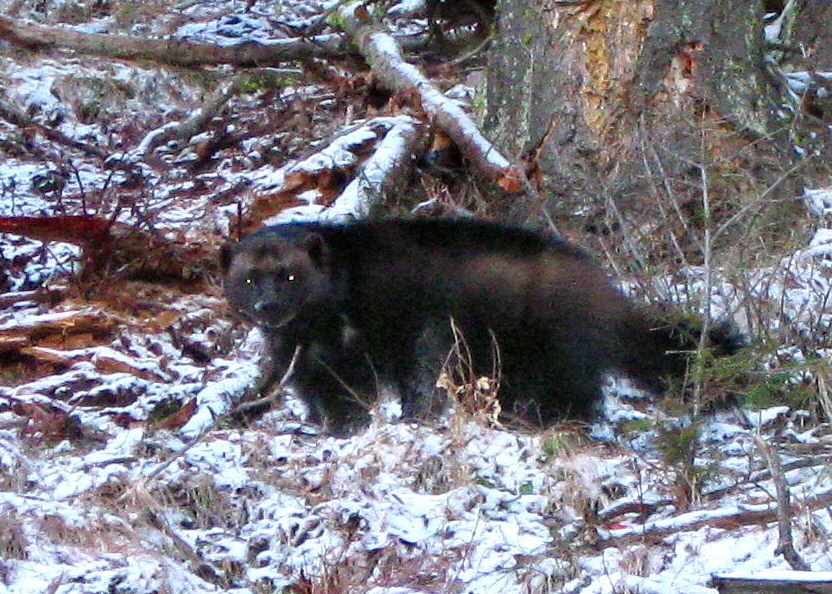
Wolverine Management
One of the rarest of carnivores in Montana, HHAA took steps to weigh in on management of wolverine. Background information about these rare animals is provided here.
- 2014 Wolverine & Winter Recreation – Squires
- Krebs_wolverine survival
- Wolverine-Gehman and Robinson.2008
Although wolverine received threatened status under the Endangered Species Act in November 2023, the U.S. Fish and Wildlife Service also sought public comment on the 4(d) rule which exempts take related to research activities, take incidental to lawful trapping for other species, and take resulting from forest management activities associated with wildfire risk reduction in the contiguous U.S. A decision on that rule was still pending in 2026 when HHAA and several other groups, represented by the Western Environmental Law Center, pressed the U.S. Fish and Wildlife Service to identify wolverine habitat.
Helena Hunters and Anglers Association provided comment on the wolverine 4(d) rule and was also represented in comments prepared by the Western Environmental Law Center.


Tenmile-South Helena Project
In keeping with HHAA’s mission to preserve wildlife habitat, and particularly the last remnants of wild country that persist as Inventoried Roadless Areas, HHAA challenged the Tenmile-South Helena Forest Project (TSH). The stronghold of big game security in this area, south of Helena, persists in two Inventoried Roadless Areas (IRA): Lazyman (Black Mountain) IRA and Jericho Mountain IRA.

The TSH Project (61,395 acres), together with the on-going Telegraph Project (23,669 acre), extends across 85,000 acres from Interstate 15 near Clancy almost to Interstate 90 west of Deerlodge. Within that area, more than 23,526 acres (about 37 square miles) are being, or would be logged/burned.
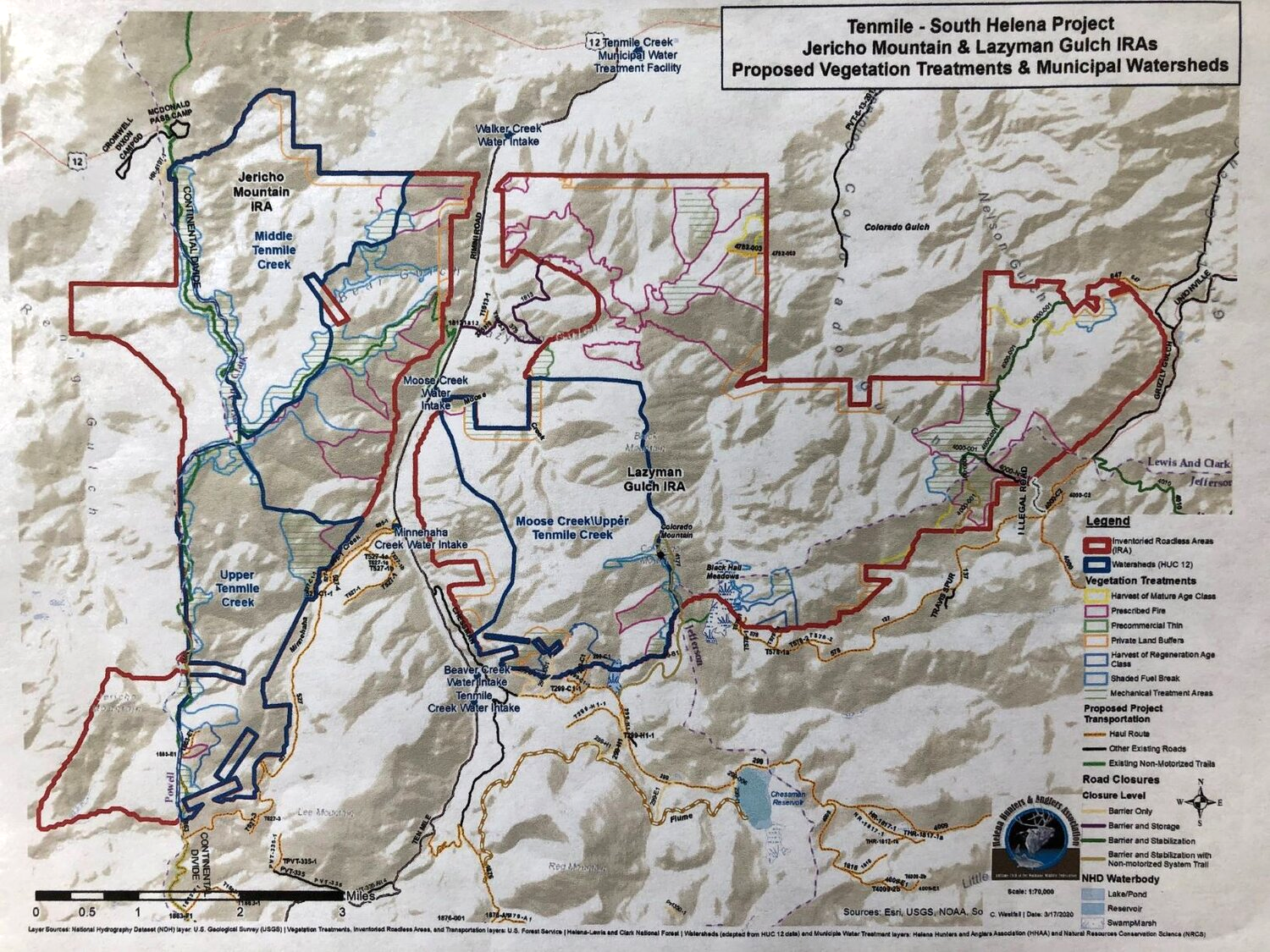
The TSH Project would log or burn 17,848 acres, while the Telegraph Project would log and burn 5,678 acres. The two projects adjoin each other along the crest of the Continental Divide, constituting a massive project. Several other projects have occurred within the boundaries of these two projects in the past, so cumulative effects are substantial.
Helena Hunters and Anglers Association and the Montana Wildlife Federation legally challenged only those activities occurring within the Lazyman and Jericho Mountain Inventoried Roadless Areas requiring use of mechanized equipment on 4,200 acres. Acceptable activities within the IRAs include timber harvest and burning, accomplished with hand tools. And, HHAA also endorses clearing on public lands within 100 yards of private land (called private land buffers).
Mountain bike trails within the Lazyman and Jericho Mountain Inventoried Roadless Areas have not existed, and to retain habitat security, mountain bike trails should not be developed (see Recreational Impact References).
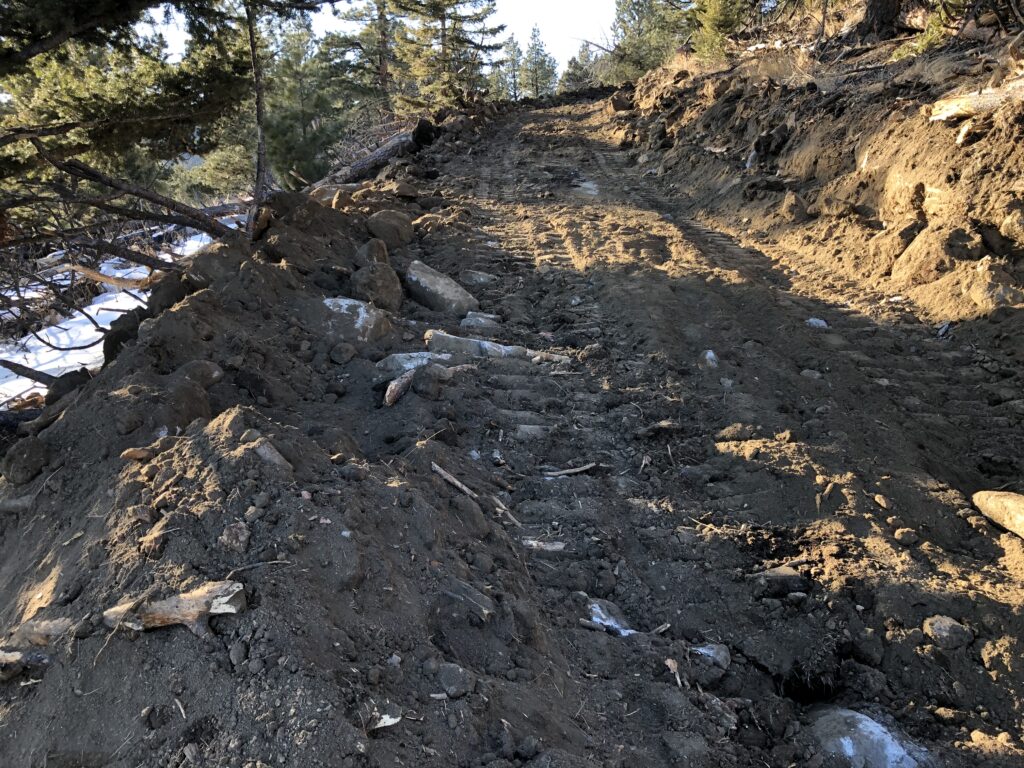
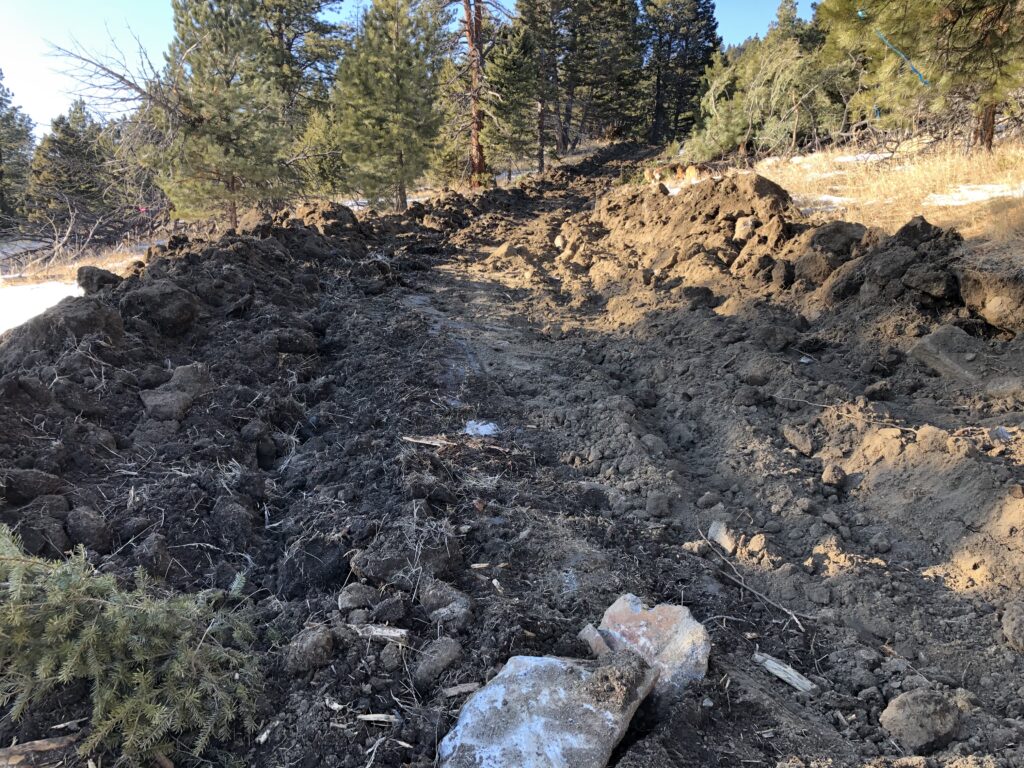
These caveats are driven by HHAA’s concern for wildlife habitat and denigration of big game security in particular. Resolution regarding these issues arrived on July 1, 2020, with the District Court ruling that entry into the Lazyman Roadless Area could not occur since road construction would be required. The Court noted, “Forest Service’s steadfast representation in its briefing that “no road construction or reconstruction will occur,” (Doc. 62 at 2; accord 65 at 25-26; 88 at 7-9; 96 at 2; 110), the Court now finds to be false, or at best, a gross misrepresentation.” HHAA members spent hundreds of hours responding to the Court’s direction to supplement the record with respect to status of “roads” within the Inventoried Roadless Area. Ultimately, the Court agreed with Helena Hunters and Anglers that usable roads within the IRA did not exist.
- 2014-12-11 TENMILE-SOUTH HELENA Scoping comment HHAA_MWF
- 2016-03-30 TSH DEIS Comment-HHAA
- Request to Avey-Big Game Security Amendment negotiation 8-5-2016
- 2016-12-05 TSH Alternative 4 – HHAA comment
- 2017-10-04 TENMILE-SOUTH HELENA OBJECTION from HHAA
- 2019.03.19-MT Big Game Security – press release
- Email to Helena City Commission and Mayor Collins – LAZYMAN AND JERICHO
- 2019-03-20 Sportsmen groups sue over logging roadless areas near Helena-IR
- Wildland Gems-IR Letter to Editor 2019-05-20 G Joslin
- 2019-12-20 Summary.Judge.REPLY.FINAL.FILE.STAMPED.Dec.202019
Divide Travel Plan Intervention
In a good-faith effort to support Travel Planning on the Helena-Lewis and Clark National Forest, Helena Hunters and Anglers intervened on behalf of the Forest Service.
- Helena Hunters Successfully Defend Divide Travel Plan, May 24, 2022
- Divide Travel Plan Defense Court Order, March 10, 2023
- Judge Dismisses Suit Against Divide Travel Plan, March 17, 2023
Big Game Security Amendment
Big Game Security has been a foundational issue for HHAA, and its protection and enhancement has determined much of what we do. In essence, big game security is competition for space: the science and politics of big game security is revealed in attached documents.
HHAA’s stated responsibility to defend wildlife habitat, that provides big game security, drives our position on everything from hunting seasons to land management proposals.
Forest Service policy changed with respect to Forest Plan standards that, in the past, have defined big game security as requiring vegetative cover.
That deviation came when amendments to the Forest Plan deleted forest cover as a criteria for big game security.
These amendments came out with Travel Plan revisions for Divide and Blackfoot.
HHAA challenged these amendments, both at the Forest Service Objection process where they were ignored, then in court.
“The HLCNF withdrew the amendment for Divide, but continued to use it in the TSH Project. Then, within one year, the HLCNF abandoned big game security standards altogether when they released their revised Forest Plan in 2021. At this point, HHAA pivoted to protecting the local Inventoried Roadless Areas.
- OUR IMPACT – Habitat – Inventoried Roadless Areas
- CURRENT ISSUES – Inventoried Roadless Areas Status
The HLCNF withdrew the amendment for Divide, but continued to use it in the TSH Project.
City of Helena Tenmile-South Helena Forest Restoration Collaborative Committee’s comments recommends “protecting Roadless area values in the project area, especially in the Lazyman IRA that has previously been proposed for wilderness designation. As such, the Collaborative recommends that the USFS not use heavy, mechanized equipment (skidders, forwarders, etc.) in the Lazyman IRA, with the exception of private land buffers” (at 9.6).
Inventoried Roadless Areas & Lazyman-Black Mountain IRA
HHAA will continue to fight for forest cover as a criteria for big game security.
This road, which the Forest Service says is a FEATURE, not a road, is 22’ wide and extends approximately one-half mile to and along the IRA boundary.
Bear Hair Snagging
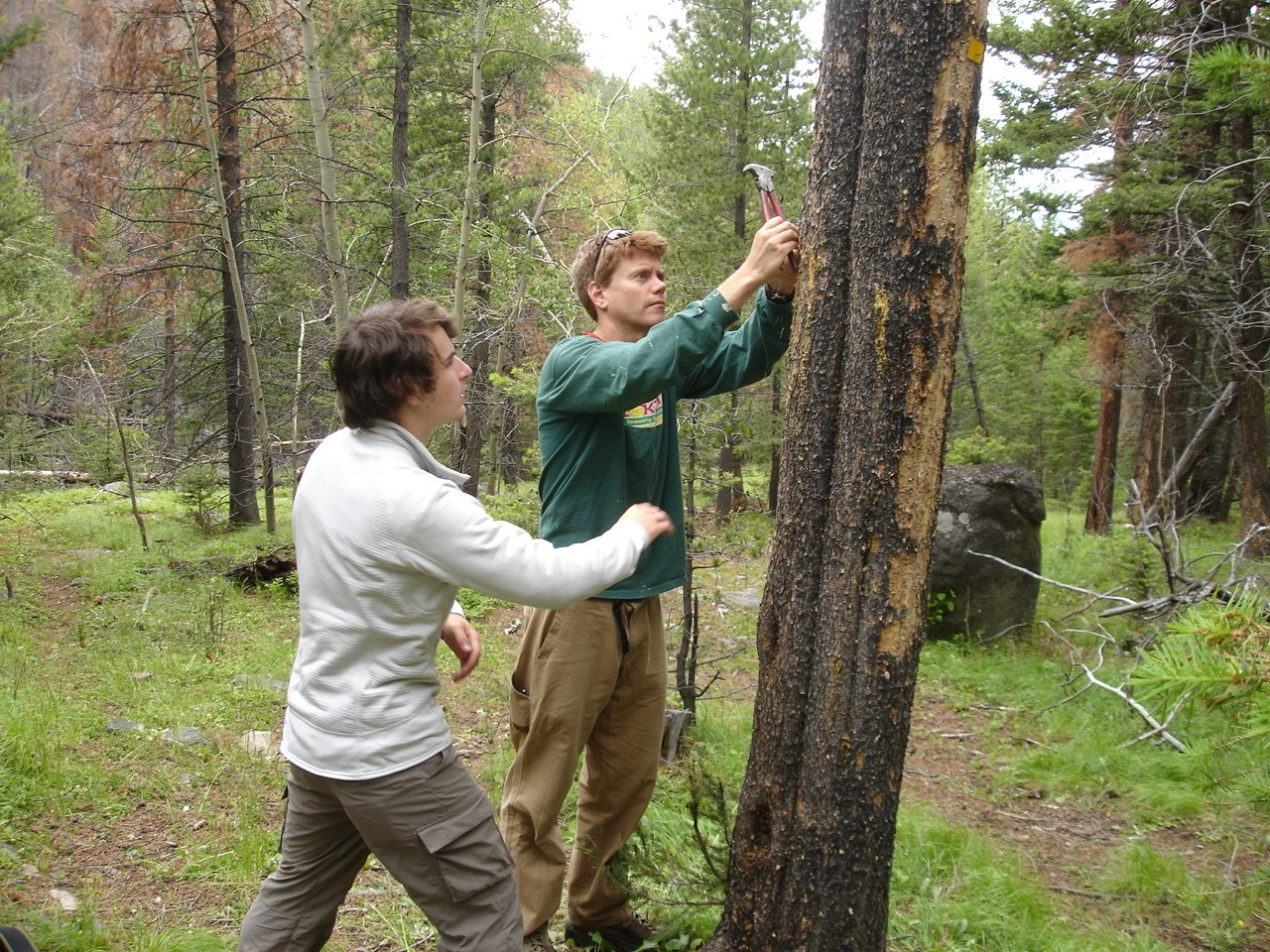
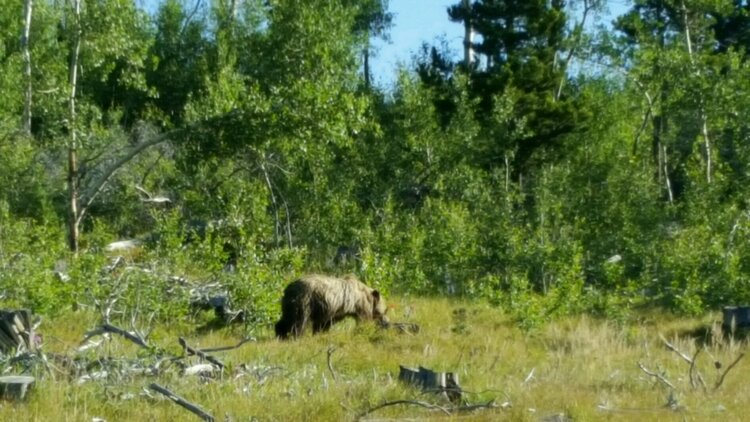
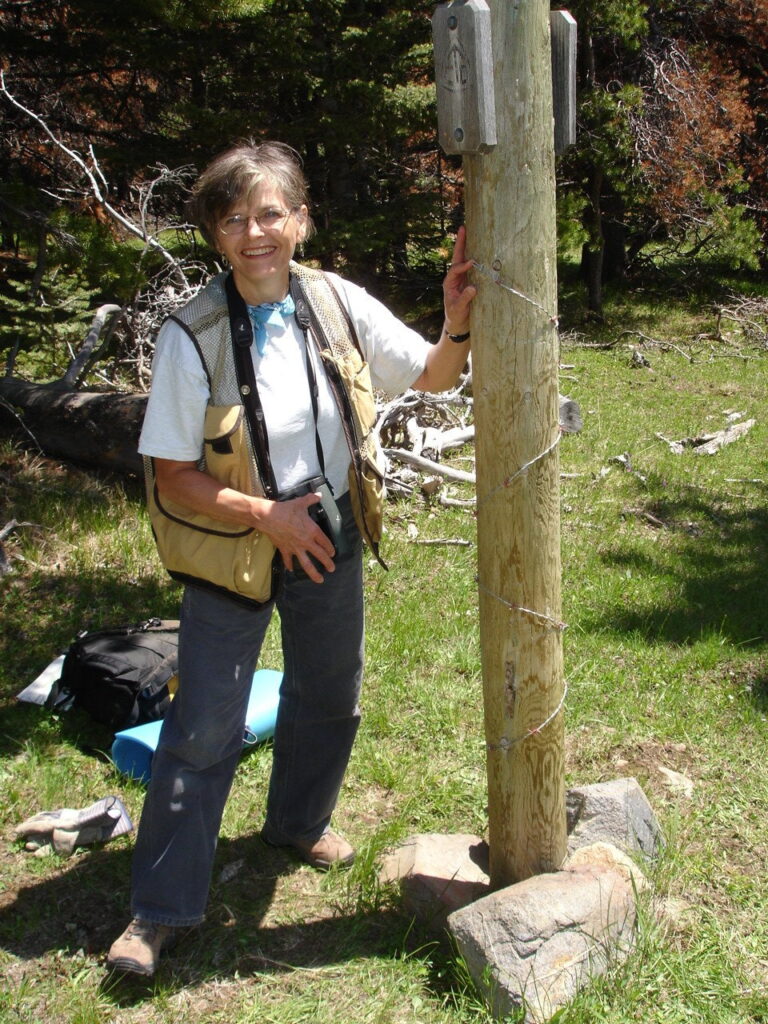
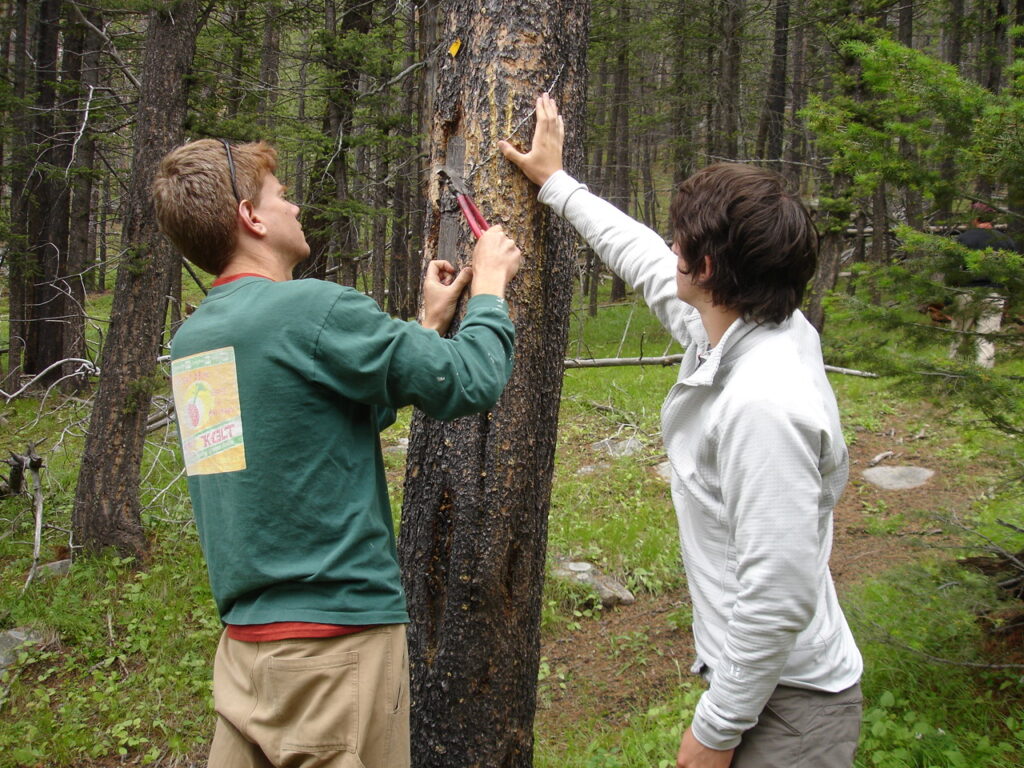
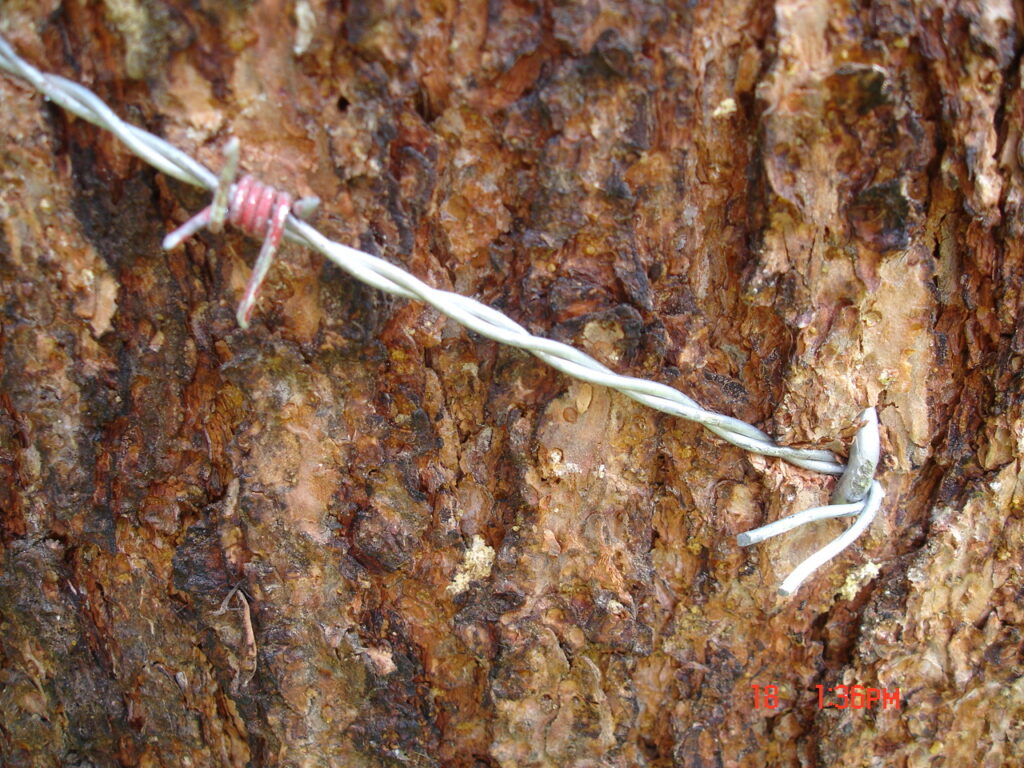
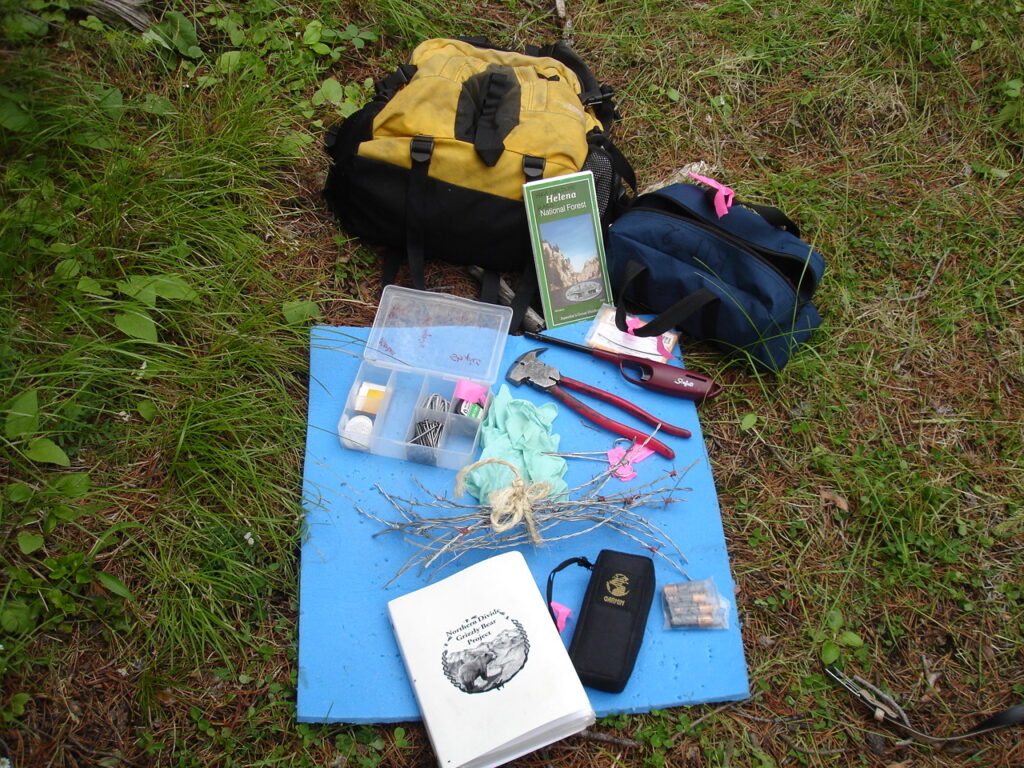
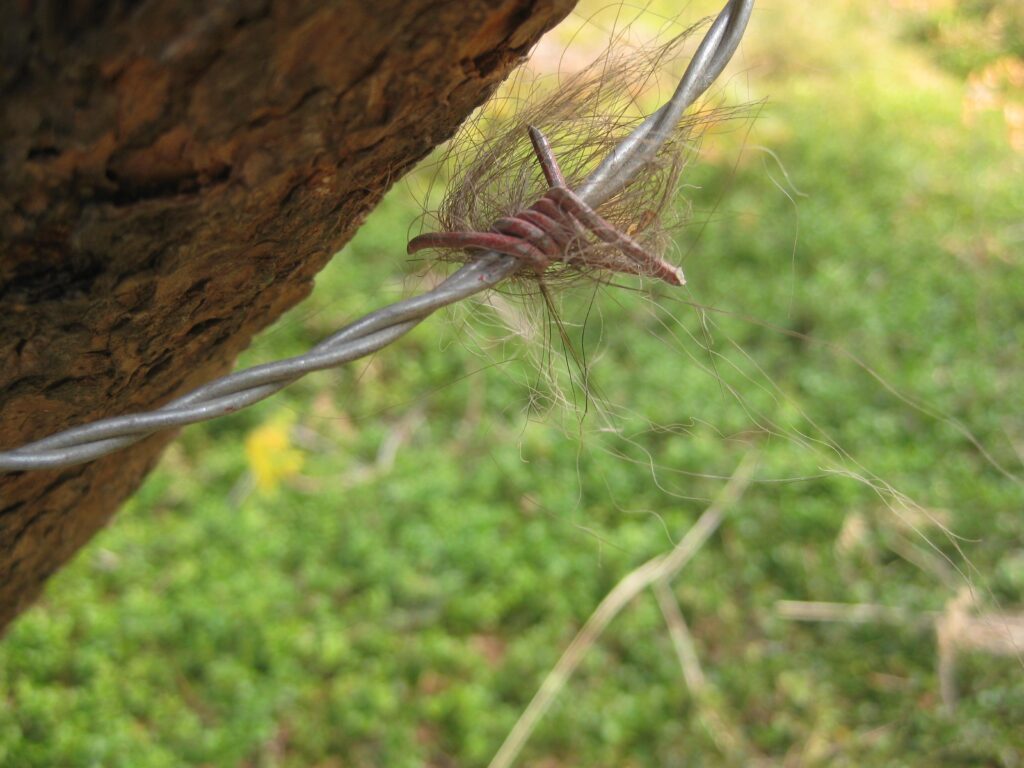
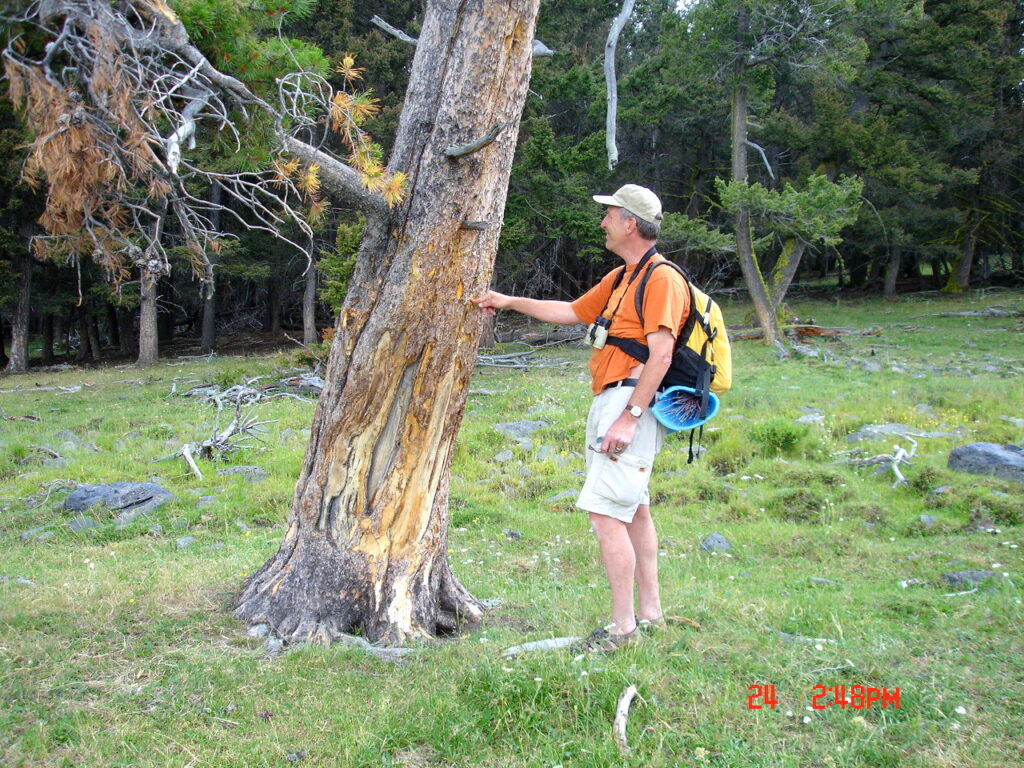
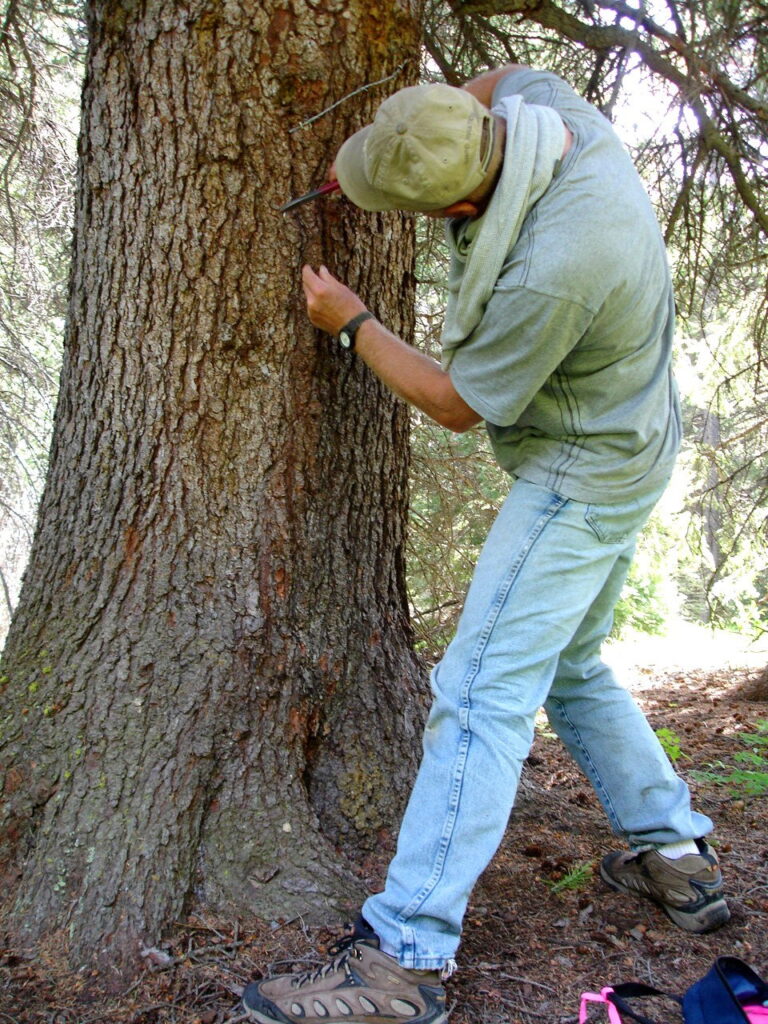
In a citizen science effort to help identify where grizzly bears may be moving around in or through our landscape, HHAA members volunteered for Montana Fish, Wildlife & Parks to set up and monitor hair snagging stations.
Between 2008 and 2012, HHAA established bear hair snagging sites, regularly monitored all those locations, then collected and submitted hair samples for DNA analysis to help inform distribution of grizzly bears across the central Continental Divide area.

Wildlife Connectivity along the Continental Divide – MacDonald Pass Biathlon Challenge
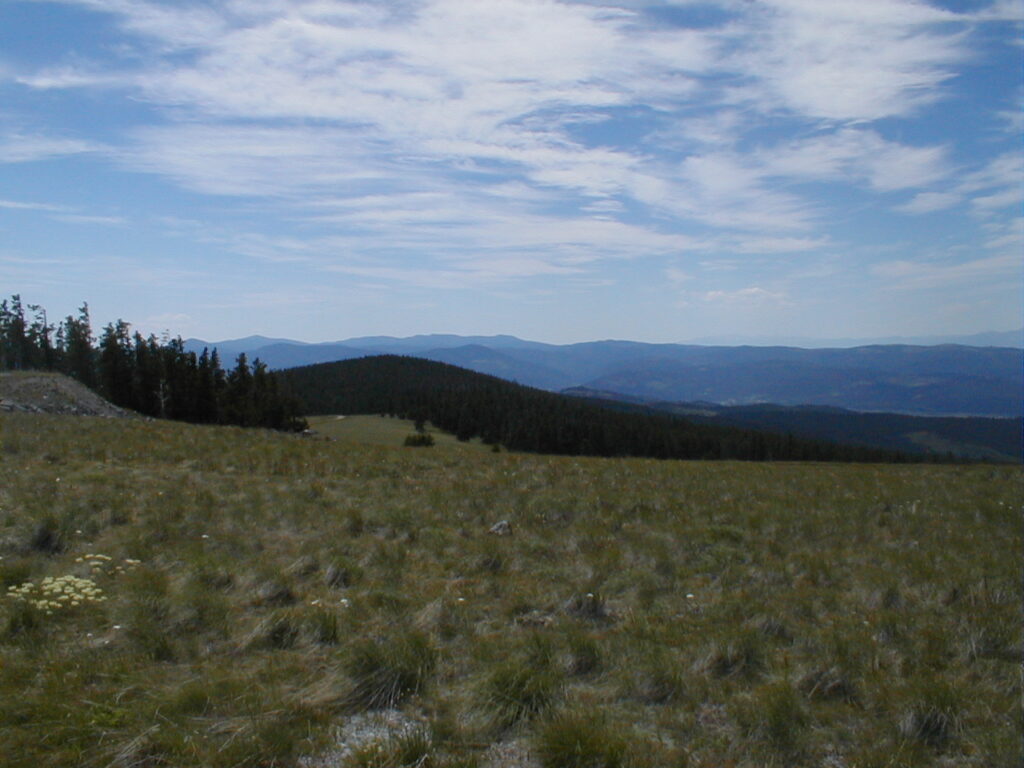
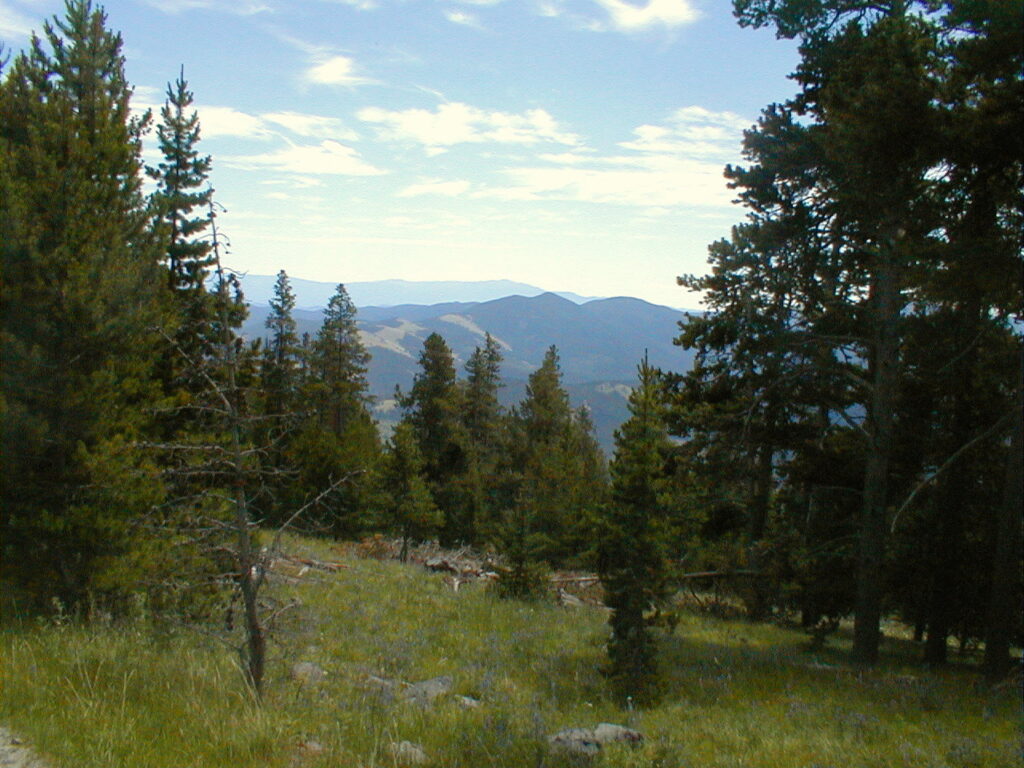
In the narrowest pinch-point of public land along the Continental Divide, constituting a major connection for wildlife movement between ecosystems, HHAA took a stand – and won – against a military complex that would have been installed at MacDonald Pass.
Not only did the proposed biathlon site lack adequate snow accumulation for a regulation biathlon course, it would have occurred within only a narrow strip of public land in the center of the Continental Divide wildlife movement corridor, which the Lewis and Clark County Commission recognized in their 2008 Resolution calling for its protection. In response to the draft environmental assessment and Finding of No Significant Impact issued by the Montana Army National Guard and U.S. Forest Service, Helena Hunters and Anglers, joined by eight other entities filed an appeal which was subsequently denied by the Forest Service. On the basis of wetlands, impacts on wildlife habitat connectivity, cumulative impacts analysis, and elk hiding cover, the court enjoined defendants from commencing construction of the biathlon training facility, and remanded the matter to the Forest Service to prepare an EIS.
Montana Fish & Wildlife Conservation Trust
The Montana Fish & Wildlife Conservation Trust was established by the U.S. Congress in 1998, funded by proceeds from the sale of cabin sites on Canyon Ferry Reservoir that had previously been leased from the Federal government. Helena Hunters and Anglers Association was instrumental in establishment of this organization, originally called the Canyon Ferry Trust. HHAA members served on the board of the Trust from its inception until 2017. At least nine projects have occurred within the immediate Helena area – some involving multiple acquisitions.
The purpose of the trust is to provide a permanent source of funding through grants for the acquisition of publicly accessible land in Montana in order to:
- Restore and conserve fisheries habitat, including riparian habitat
- Restore and conserve wildlife habitat
- Enhance public hunting, fishing and recreational opportunities
- Improve public access to public lands.
1986 Citizens Initiative for the Helena National Forest Plan
Members of HHAA were also members of the Helena Forest Conservation Coalition (HFCC) back in 1982, that helped shape the 1986 Forest Plan. Forty years later, we are still engaged.